Rediscovering Timeless Art: The Vintage Butterflies Collection
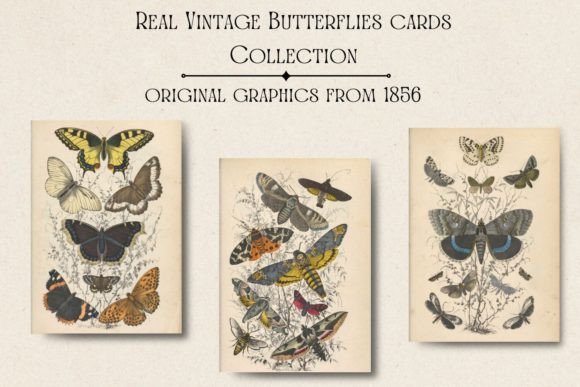
There is a distinct quality to print media from the mid-19th century that digital tools often struggle to replicate. It is the tactile grain of the paper, the specific saturation of early inks, and the artistic intent of a pre-digital era. For graphic designers and brand strategists looking to inject that level of authenticity into modern projects, sourcing original assets is critical. The Vintage Butterflies Vintage Cards collection offers a direct link to this aesthetic, providing a curated set of high-resolution scans derived from 1856 artworks. Unlike heavily processed stock graphics, these assets come directly from the National Polish Digital Library, ensuring that the visual history is preserved with integrity.
The Anatomy of an Authentic Asset
When we discuss "premium" design assets, we are usually referring to resolution and versatility. This collection defines itself through its provenance. The source material dates back to 1856, a period where scientific illustration and artistic expression were deeply intertwined. The subject matter—butterflies—offers a versatile motif that works across numerous industries, from cosmetics and wellness to high-end packaging design. These are not merely decorative elements; they are historical artifacts that bring immediate visual weight to any layout.
The practical value lies in the specifications. You receive three JPG files scanned at 300 DPI in A4 format (8.27" x 11.69"). For a designer, 300 DPI is the industry standard for high-quality print work, ensuring that line work and color gradients remain crisp even when scaling. This resolution makes the collection particularly useful for editorial design and packaging design, where pixelation is unacceptable. While they function beautifully as standalone art prints, their real power in a professional setting lies in how they integrate into larger brand identity systems.
Strategic Applications for Modern Creators
As a creative professional, the challenge is rarely finding an image; it is finding an image that does not look like it belongs to everyone else. Because these graphics are sourced from a specific 1856 archive, they offer a level of exclusivity that standard stock libraries cannot match. Here is how you can leverage the Vintage Butterflies Vintage Cards across different mediums:
- Scrapbooking and Mixed Media: The original context of these cards invites tactile interaction. For hobbyists and artists, the textures of the scans provide a perfect base layer for digital or physical collages, allowing you to "go back in time" and layer modern elements over historical foundations.
- Web Design and UI: In the digital space, vintage motifs are trending heavily, particularly in the wellness and lifestyle sectors. These scans can be used as background textures for landing pages or hero images. When paired with a clean sans serif font, the contrast creates a compelling visual hierarchy that draws the eye without sacrificing readability.
- Logo Design and Branding: A brand seeking to convey tradition, nature, or artisanal quality can utilize these graphics as part of a crest or emblem. However, it requires a careful hand; you want to avoid cluttering the logo. Instead, use a detail of the butterfly wing as a standalone icon or watermark.
- Social Media Graphics: Content creators on platforms like Instagram or Pinterest thrive on aesthetic consistency. These cards provide a cohesive color palette—muted tones typical of the 1800s—that can unify a feed. They work exceptionally well as backgrounds for quote cards or newsletter headers.
Integrating Historical Graphics with Modern Typography
One of the most common pitfalls in design is mixing historical imagery with typography that clashes. When using the Vintage Butterflies Vintage Cards, your choice of typeface will dictate whether the final product looks sophisticated or chaotic. Since the artwork is intricate and organic, it requires a font pairing that offers contrast.
Avoid using overly decorative script fonts or handwritten fonts directly over the detailed illustrations. The visual noise will compete for attention, reducing the readability of your message. Instead, opt for a geometric sans serif font with generous tracking. This approach treats the vintage graphic as the "voice" and the typography as the clear, modern "narrator." For example, if you are designing a poster for a botanical event, placing a bold, uppercase sans-serif header over a faded scan of the 1856 cards creates an immediate bridge between past and present.
If your project demands a serif style, look for a modern typography option—a serif font that has high contrast and sharp lines. This complements the softness of the butterfly engravings without blending into them. The goal is professionalism; you want the viewer to appreciate the art while effortlessly absorbing the information.
Evaluating Fit and Project Consistency
Before incorporating these assets into a commercial campaign, it is worth evaluating the "personality" of the cards. The 1856 aesthetic is inherently romantic, scientific, and somewhat rustic. If your client is a cutting-edge tech startup, these graphics might feel out of place unless used ironically or abstractly. However, for a tea brand, a boutique hotel, a florist, or a jewelry line, the fit is natural and enhances brand perception.
Consider the commercial licensing aspect as well. These graphics are in the public domain, which is a massive advantage for small business owners and entrepreneurs. You have the freedom to modify, crop, recolor, and incorporate these files into products for sale without the recurring fees associated with stock photo sites. This freedom allows for greater audience engagement, as you can create truly unique merchandise—think tote bags, greeting cards, or packaging sleeves—that your competitors cannot simply download and copy.
Practical Workflow Tips
When you open the files, you will notice the A4 format. In Adobe Photoshop or Affinity Photo, you can easily remove the background or isolate specific butterflies using channel masking or selection tools. Because the scans are high-quality, you can resize them significantly for large-format printing, such as trade show banners, provided the viewing distance is sufficient.
For content creators looking to build a library, joining a community for ongoing resources is a smart move. The creators behind this collection offer a newsletter with weekly freebies, which is an excellent way to maintain a fresh supply of design assets without constantly scouring archives. It ensures that your visual hierarchy remains dynamic and your creative toolbox is always expanding.
Ultimately, the Vintage Butterflies Vintage Cards are more than just pictures of insects; they are a bridge to a specific moment in art history. By utilizing them thoughtfully, you can elevate a standard design into a piece of storytelling, grounding your modern digital presence in the rich soil of the 19th century.