I Feel Angry: A Social Story Design for Emotional Growth
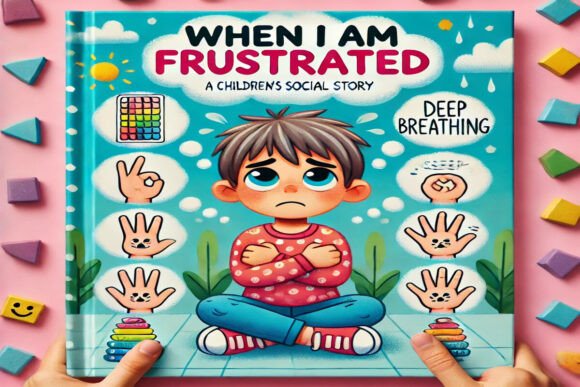
In the realm of educational design, few projects carry as much weight as those tasked with helping children navigate their inner worlds. "I Feel Angry: A Social Story About Managing Big Feelings" represents a critical intersection of compassionate content and intentional visual design. It is more than just a book; it is a vital tool for parents, teachers, and therapists. By translating complex emotional concepts into accessible narratives, this resource empowers young readers to identify their feelings and make constructive choices. For designers, this project highlights the immense responsibility and creative opportunity involved in social-emotional learning (SEL) materials.
The Role of Visual Narrative in SEL
When designing for children, especially regarding sensitive topics like anger management, the visual language must be precise and empathetic. The effectiveness of "I Feel Angry" relies heavily on how the illustrations and layout support the text. Good design in this context isn't just about aesthetics; it's about psychological safety. The imagery needs to validate the child's experience without overwhelming them, using relatable characters and scenarios to model the calming strategies—such as deep breathing and counting to 10—that are central to the book's message.
From a professional standpoint, this type of project requires a deep understanding of visual hierarchy and user experience (UX) tailored for young minds. The flow of the pages should guide the reader gently from recognizing the emotion to applying a solution. This creates a logical, reassuring structure that mirrors the problem-solving process the book teaches.
Design Elements That Drive Engagement
To create a truly effective educational asset like this, designers must carefully curate every visual element. The goal is to enhance comprehension and retention while maintaining a fun, engaging atmosphere. Key considerations include:
- Color Palette: Colors evoke immediate emotional responses. While reds and oranges might represent anger, the design should transition to cooler, calming tones like blues and greens as the narrative shifts toward resolution.
- Typography: Readability is paramount. Fonts used in SEL books should be clear, friendly, and sized appropriately for emerging readers. Sans-serif typefaces often work best for body text to reduce cognitive load.
- Character Design: The protagonists need to be relatable and expressive. Simple, bold lines and distinct facial expressions help children who are still developing their ability to read social cues.
Practical Applications Across Creative Projects
The principles demonstrated in "I Feel Angry" extend far beyond a single book. For graphic designers and content creators, these assets offer versatile applications across various mediums. Understanding how to adapt these visual themes can elevate a wide range of creative projects, including:
- Classroom Decor and Posters: Reinforcing the book's lessons through wall art and visual reminders in educational settings.
- Therapy Worksheets: Creating printable resources for counselors that utilize the same characters and visual language for consistency.
- Digital Media: Adapting illustrations for interactive apps or animated social stories that bring the calming strategies to life.
- Merchandise: Applying the designs to comfort items like plush toys or journals, extending the brand identity into tangible, supportive objects.
Integrating Assets into Your Design Workflow
For designers working on similar projects, "I Feel Angry" serves as a case study in cohesive branding and thoughtful asset management. When incorporating social-emotional resources into your workflow, consistency is key. Ensure that any additional graphics, icons, or typography you introduce match the established tone of the original work. This maintains the trust and immersion necessary for the content to be effective.
Furthermore, consider the scalability of your assets. Whether the design is viewed on a tablet screen or printed as a large-format poster, the visual clarity must remain intact. High-quality vector graphics and a flexible grid system are essential for ensuring that the message of emotional regulation is never lost due to technical limitations.
Ultimately, the power of "I Feel Angry: A Social Story" lies in its ability to combine beautiful, thoughtful design with a life-changing message. By prioritizing clarity, empathy, and usability, designers can create works that not only look professional but also make a profound impact on the emotional well-being of their audience. Investing in high-quality, intentional design is an investment in better communication and a more supportive environment for growth.