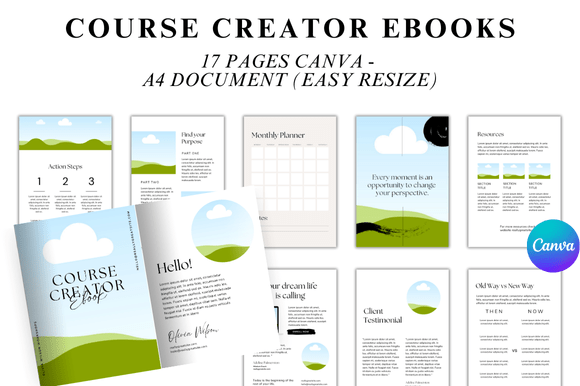
17 Editable Ebook Template: Elevate Your Digital Design
In the fast-paced world of digital content, the demand for professional, visually compelling documents has never been higher. A well-structured ebook can be a powerful tool for establishing authority, sharing knowledge, and engaging an audience. However, starting from a blank canvas is often time-consuming and challenging. This is where a resource like the 17 Editable Ebook Template collection becomes invaluable, offering a suite of customizable designs that streamline the creation process while ensuring a polished, professional result.
The Role of Templates in Modern Graphic Design
Graphic design is fundamentally about solving visual communication problems. Templates serve as a sophisticated starting point, providing a proven framework for visual hierarchy, typography, and layout. They are not about limiting creativity but rather about accelerating the design workflow. By leveraging a pre-built structure, designers and creators can focus their energy on content strategy, brand-specific customization, and fine-tuning the details that make a project unique. This approach is particularly crucial for maintaining consistency across a brand's various touchpoints, from marketing materials to digital products.
Practical Applications for Creative Professionals
The utility of a versatile ebook template extends far beyond a simple document. Its components can inspire and inform a wide range of creative projects, enhancing overall brand identity and visual communication.
- Branding and Marketing: Use the template's color palette and typography as a foundation for cohesive social media graphics, email headers, or advertising campaigns. A consistent visual language strengthens brand recognition.
- Digital Products and Presentations: Transform the ebook into a lead magnet, a digital workbook, or a professional presentation for clients. The clean, modern aesthetics ensure your content is taken seriously.
- Editorial and Web Design: The layout principles within a well-designed ebook—such as visual hierarchy, whitespace, and image placement—can directly inform the design of blog posts, website landing pages, or even UI elements for a better user experience.
Tips for Selecting and Customizing Design Assets
When evaluating any design template, consider its adaptability and technical quality. Look for assets that are fully editable in accessible platforms like Canva, allowing for easy customization without advanced software skills. Pay close attention to the typography; the font pairings should be legible and align with your brand's voice—whether it's authoritative, friendly, or minimalist.
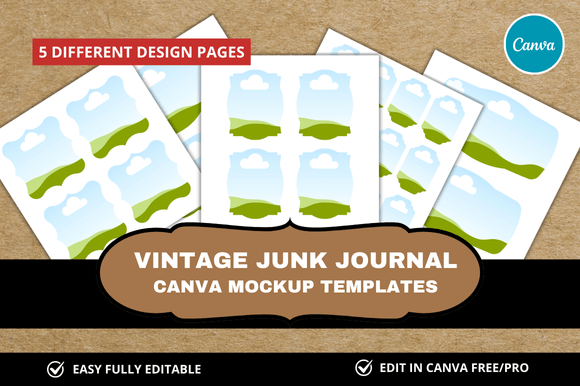
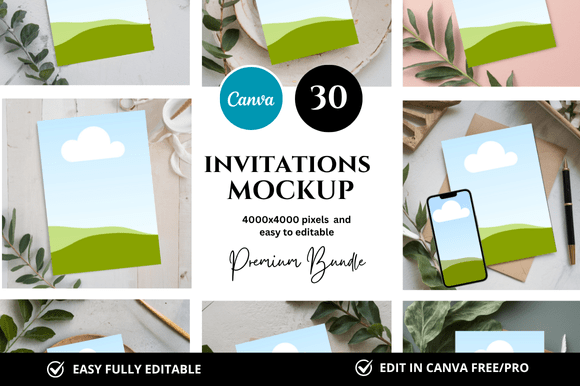
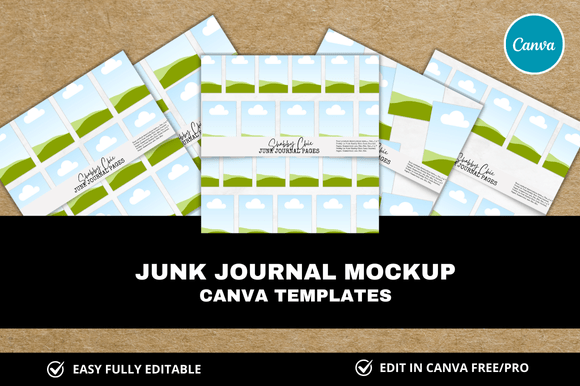
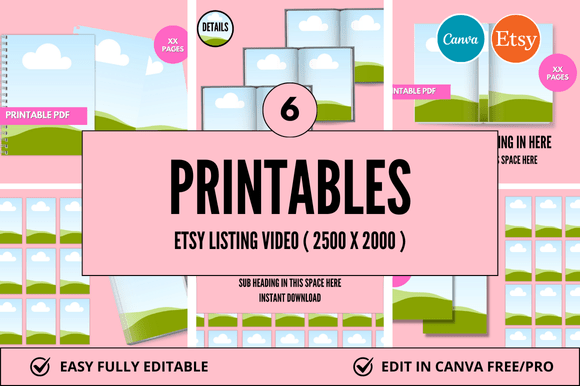
Furthermore, assess the scalability and composition. A good template system uses grids and consistent spacing, which not only looks professional but also makes content easier to digest. Ensure the template supports your specific goals. For instance, a template designed for a visual portfolio will have different layout needs than one structured for a detailed technical guide. Always check that the provided mockups and listing templates are high-resolution and compatible with your intended use, whether for print design or digital screens.
Ultimately, the most effective design choices are those that serve both form and function. Quality creative assets, like a comprehensive set of editable templates, are more than just time-savers; they are strategic tools. They empower creators to produce work that is not only visually stunning but also clear, engaging, and aligned with their broader communication objectives, ensuring every project makes a lasting professional impression.